How to Choose a Professional Cake Baker in the UK
I have been baking professionally for more than a decade, and one thing I can say with absolute certainty is that there is a clear difference between an enthusiast, a novice, a professional, and an elite baker. Every baker is somewhere along this developmental journey. Some are honest about where they stand, while others attempt to compensate for their lack of knowledge and experience. Unfortunately, this often disadvantages customers who may not know how to spot the early warning signs.
These pretenders can appear convincing at first. They may present themselves as professionals, but sooner or later the cracks begin to show. A common example is when clients come to me after being let down by someone who undercharged and underdelivered. Many people initially choose the cheapest option, only to return later when the novice baker has failed to meet even basic expectations. Food business scams and food fraud remain major concerns in the United Kingdom. Current estimates suggest that food crime costs the economy between £410 million and £1.96 billion each year. Although it is difficult to determine the exact number of people affected, largely because many incidents go unreported, available data shows that the threat is both serious and increasing. This is particularly true for small businesses and for consumers who purchase food products online.
In this blog post, I will share four practical tips to help you choose a genuine professional cake baker in the United Kingdom.

1. Professional Cakes Are Not Cheap
Yes, you read that correctly. Professionally made cakes are not cheap, and there are good reasons for this. A significant amount of time is invested in training, mastering techniques, and building a reputable brand. This alone means that a professional baker cannot charge bargain prices.
The cost of ingredients, utilities, packaging, and transport has also increased in recent years. A professional baker understands these realities and prices their work accordingly. Most importantly, they can clearly justify their prices. They do not compromise on quality or reduce their standards to satisfy a customer who is looking for the lowest possible price.
Pretenders, on the other hand, avoid specifics. They give vague quotes, change prices mid‑conversation, or drastically undercharge because they do not understand the true cost of production. While it may feel like a bargain at first, cheaper does not mean better value. In many cases, it means the opposite.
2. They Have a Well‑Structured and Legally Compliant Business
A professional baker operates a properly structured business. This typically includes:
Registration with Companies House (if operating as a limited company)
Food Hygiene Certification
Registration with the local council as a food business
A business bank account
Clear contracts, terms and conditions, payment terms, and cancellation and refund policies
If any of these elements are missing, you may be dealing with a new starter or someone pretending to be a professional.
According to data published by Gov.uk in 2026, the illegal or “shadow” economy in the United Kingdom is estimated to be worth around £260 billion. Enforcement activity has increased significantly, with illegal working raids reaching record levels (Gov.uk, 2026). While it is not illegal to trade as an unregistered sole trader, the business must still comply with HMRC tax regulations. Failure to do so carries risks such as fraud, lack of legal protection, and issues with VAT compliance.
For customers, choosing a properly registered business provides an additional layer of protection. You have clearer rights, documented agreements, and greater confidence that the baker is operating responsibly.
For bakers reading this, if you would like guidance on how to set up your home baking business correctly in the UK, I have created a detailed YouTube video that explains the process step by step.
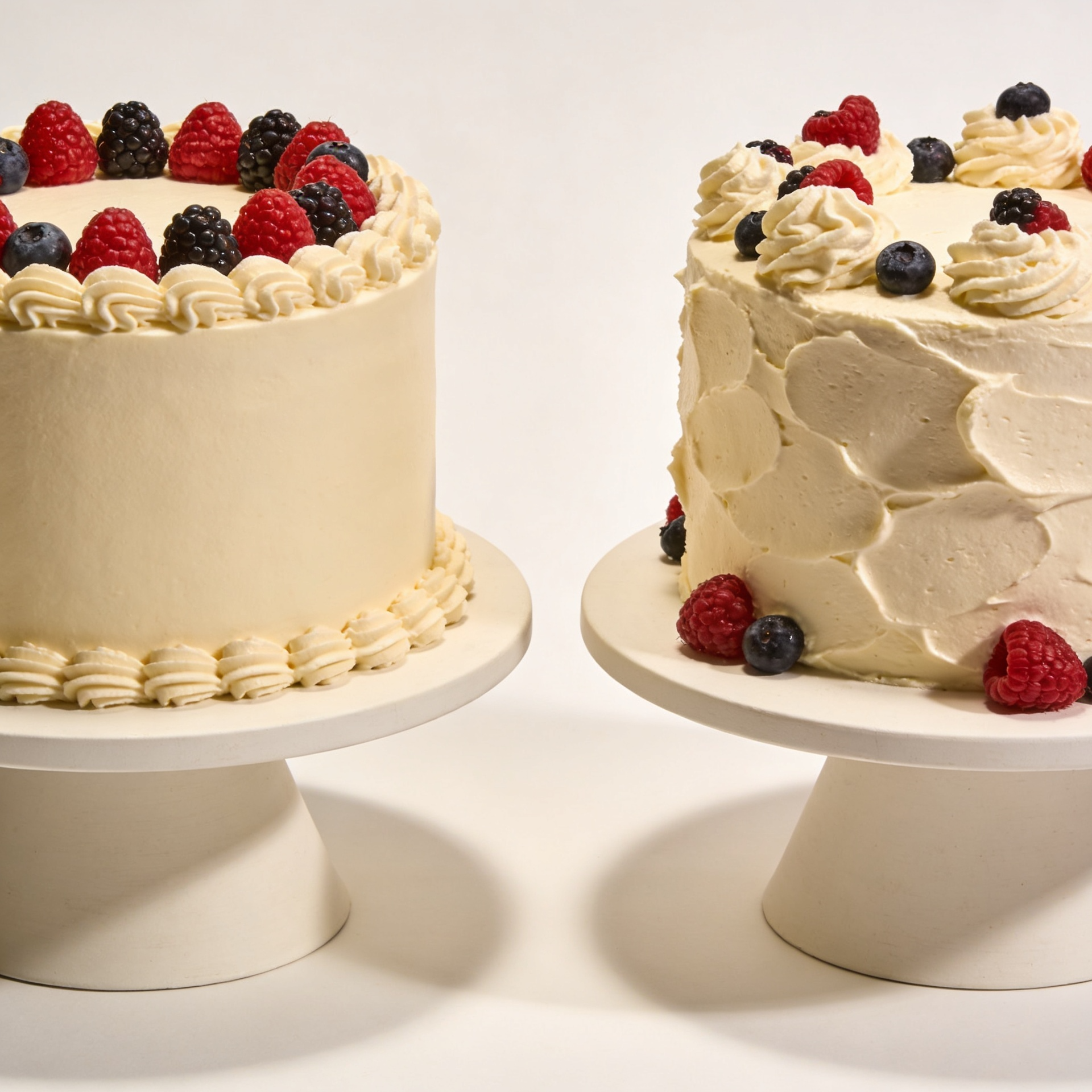
3. Their Cake Portfolio Shows Consistency and Technical Skill
A professional baker’s portfolio speaks for itself. You should see:
Consistent finishes
Clean edges
Smooth buttercream or fondant
Repeated quality across a wide range of designs
Pretenders often have one or two impressive cakes surrounded by inconsistent work. Some even use stolen images or AI‑generated designs on social media. While these images may look impressive, they cannot explain the techniques behind them.
A genuine professional can confidently discuss:
Why certain internal structures are necessary
How they ensure stability during transport
Which fillings are suitable for warm weather
How to pair flavours correctly
How they manage allergens and prevent cross‑contamination
This level of clarity comes from real experience. Pretenders rely on guesswork and vague statements.
If you are a customer, pay close attention to these details. If you are a baker, I have created a YouTube video explaining why guesswork has no place in professional baking and why upgrading your skills in 2026 is essential.
4. They Have Real Customer Reviews, Not Just Followers and Likes
This is often the most reliable indicator of all. Real customer reviews are difficult to fake. A professional baker will have:
Verified Google reviews
Facebook recommendations
Tagged customer photos
Repeat clients
A consistent online presence
Pretenders rely heavily on staged photos, stock images, unverified testimonials, and exaggerated claims about their client base. A large number of followers does not mean they are delivering real cakes to real customers.
When in doubt, always check for genuine reviews. They reveal far more than social media likes ever will.
References
Food Standards Agency (2023) The cost of food crime: Phase 2 results. Available at: https://www.food.gov.uk/research/the-cost-of-food-crime-phase-2-results (Accessed: 5 May 2026).
Gov.uk (2026). Immigration Rules: Illegal working raids reach highest level in UK history. Available at: https://www.gov.uk/ (Accessed: 5 May 2026).
Gov.uk (2023). Money laundering regulations: Who needs to register for money laundering supervision. Available at: https://www.gov.uk/guidance/money-laundering-regulations-who-needs-to-register (Accessed: 5 May 2026).